Winter in Maryland is a negotiation between unpredictability and preparation. Temperatures swing, nor'easters roll through, and what looked like a solid roof in October can begin to show weakness by December. I have stood on enough pitches, measured enough shingle laps, and fielded enough late-night calls to know the difference between a roof that weathers winter with minimal fuss and one that becomes an emergency. This piece walks through how a roofer in Mechanicsville MD prepares—not with vague promises, but with the practical steps, judgment calls, and trade-offs that matter when the snow starts to fall.
Why preparation matters here Mechanicsville sits close enough to the Bay to feel coastal influences, far enough inland to get cold snaps that drop temperatures below freezing for multiple days. That combination produces freeze-thaw cycles that drive ice dams, plus occasional heavy wet snow that tests flashing and fasteners. Insurance claims spike after prolonged cold spells because small issues like a loose shingle or a poorly sealed chimney can become leaks when water finds a path through a saturated underlayment.
A roofer who knows the area reads the forecast and the roof. We do both. Weather gives probabilities, inspection reveals vulnerabilities. Preparation reduces the odds of a midwinter emergency by addressing the highest-risk items first.
Initial triage: what I look for on the ground before I climb I never start a winter prep job with ladders up immediately. There are signals you can gather from the yard and the attic that tell you which roofs demand hands-on attention and which need only minor work.
First, drainage and gutters. Clogged gutters are the top contributor to ice dams in my experience. Downspouts that end in the wrong place saturate fascia and cause rot that hides under the drip edge. Second, roof geometry. Long unbroken eaves and shallow pitches are the classic ice dam suspects because heat loss along the roof warms a central section and melts snow that refreezes at the colder eaves. Third, attic condition. I open access and look for insulation gaps, missing baffles, and points where warm air can escape around vents, light fixtures, or recessed cans. Fourth, visible shingle condition. Look for cupping, many cracked or missing shingles, or granule loss along the gutters. Fifth, flashing and penetrations. Chimney chase flashing, roof-to-wall transitions, and skylight seals frequently fail first.
Those five observations inform whether a simple maintenance visit will do, or whether the roof needs a larger, pre-winter repair or replacement plan.
Priority repairs and why order matters There is a hierarchy to winter work. You want to fix the things that eliminate the route water will take into the house first, then reduce the energy-driven forces that create problems, and finally strengthen the roof against load.
Patch roof penetrations before you add high-density insulation to the attic. If you insulate an attic that leaks, trapped moisture can create mold and rot. Likewise, if flashing is loose, fixing shingles without addressing flashing is a bandage.
Common high-priority repairs I tackle in Mechanicsville include replacing missing step flashing at chimneys, re-sealing counterflashing, reattaching loose drip edges with corrosion-resistant nails, and replacing rotted rake boards where shingles no longer have a secure edge. These are not glamorous fixes, but they stop the majority of leaks that start in winter storms.

Ice dam strategy: prevention and mitigation Ice dams form because the roof is not an isothermal surface. Warmth from the living space melts the underside of snow on the upper roof, that water runs down and refreezes at the colder eaves. If you only address the visible ice you have missed the underlying heat loss.
Preventing ice dams begins in the attic. I verify that the attic is sealed from conditioned space. That includes installing gaskets around recessed lights where necessary, tightening attic hatches with weatherstripping, and ensuring plumbing stacks and duct boots are sealed with high-temperature caulk or metal flashing. Then I check insulation levels. In Maryland, I aim for attic insulation that reaches at least R-38 in most homes, with higher levels in houses that are harder to seal. Increasing insulation reduces roof surface temperature variance and drops the chance of melt.
Ventilation goes hand in hand with insulation. Ridge vents coupled with soffit intake, balanced across the length of the roof, keep the attic near ambient outdoor temperature. In older houses where soffit vents are blocked or nonexistent, adding continuous soffit intake is often the most effective move. When I retrofit ventilation, I look at the whole system rather than stuffing a few vents in random places. The goal is uniform airflow, which prevents pockets of warmth.
When prevention is not enough, mitigation matters. We install ice and water shield in critical areas during repairs. A 36-inch self-adhering membrane behind the shingles along eaves and valleys buys time and blocks water driven under shingles by wind and freeze-thaw action. For steep roofs or homes with repeated ice problems, we may recommend a metal ice guard or heated cables on small, strategic runs. Heated cable is a trade-off: it consumes electricity and requires proper electrical wiring, but it can stop troublesome ice dams on dormers or bay roofs where structural retrofit would be impractical.
Roof material choices for winter Not all roofing products behave the same in cold, wet conditions. Asphalt shingles remain the most common choice because they balance cost and performance, but the installation details matter more than brand. I favor architectural shingles with a higher wind rating and full-tab shingles where homeowners prioritize economy. For areas with chronic ice or wind, synthetic underlayment and a double layer of underlayment in valleys improve resilience.
Metal roofing has advantages in snow-shedding and durability, but it also transfers heat differently. A metal roof that sheds snow can place more concentrated loads roofing contractor at gutters and lower eaves. Flashings with metal roofs require precise detailing. For homeowners considering metal to avoid winter problems, I calculate expected snow-shed patterns and ensure gutters and fascia are reinforced.
Flat roofs deserve their own attention. EPDM and TPO membranes must be examined for bladdered seams and ponding. Ponding accelerates membrane deterioration and leads to leaks. Before winter, we ensure drains are clear and add tapered insulation where ponding has been chronic.
Gutters, downspouts, and water control Gutters are more than decoration. Properly sloped gutters and downspouts that discharge away from the foundation are crucial. In winter, a gutter that overflows creates continuous wetting of the fascia and soffit, inviting rot that only becomes obvious after prolonged exposure. I check hangers, replace rusted components, and, where necessary, install downspout extensions that direct water at least five feet from the foundation.
Gutter protection systems can reduce debris, but homeowners should not think they remove all maintenance. I advise clients that screens and covers help but do not replace cleaning at least once a year in our environment, typically in late fall after most leaves have dropped.
Safety and affordable roofer Mechanicsville MD risk management for winter prep work Working on roofs is inherently risky. Before any winter prep I perform a site safety plan. That includes checking for electrical hazards near metal ladders, confirming stable ground for ladder placement, and noting tree limbs that could block access or create new hazards under snow load.
When I climb in late fall, I account for shorter daylight and a higher chance of wet conditions. I use fall protection when the pitch exceeds certain angles, typically above 6/12, and I prefer to schedule inspections and maintenance on dry days to reduce slip risks. For homeowners who want a quick visual and are comfortable staying on the ground, I offer a comprehensive photo report and a prioritized action plan so they can decide without standing on a ladder themselves.
Timing and scheduling: when to call your roofer Winter prep is not a single task; it is a season. I advise scheduling inspections and maintenance in early to mid-fall, typically October or early November in our region. That timing allows us to complete work before freezing conditions and gives lead time for any larger projects before the busiest winter months.
However, emergency repairs happen. If you discover a leak after a freeze-thaw or a roof leak during a storm, call a local roofer who knows the patterns of Mechanicsville. Quick temporary patches can prevent interior damage until a permanent repair is scheduled.
How I communicate costs and set expectations Roofing work in winter can involve more variables than the same job in summer. Ladder placement can be harder in frozen ground, adhesives work differently at low temperatures, and manufacturers often set minimum roofing contractor near me installation temperatures for certain products. I always present a clear estimate with line items for materials, labor, and weather-related contingencies. For example, if a manufacturer restricts application of certain self-adhering membranes below 40 degrees, we note that and provide alternatives or a schedule that waits for proper temperature windows.
For typical winter-prep visits, clients should expect a range between a few hundred dollars for a basic attic air-sealing and gutter clean, up to several thousand for flashing replacement, retightening of facia, and adding insulation or soffit vents. Full replacements remain the costliest option and are scheduled when repair is no longer cost effective.
A short checklist for homeowners before winter
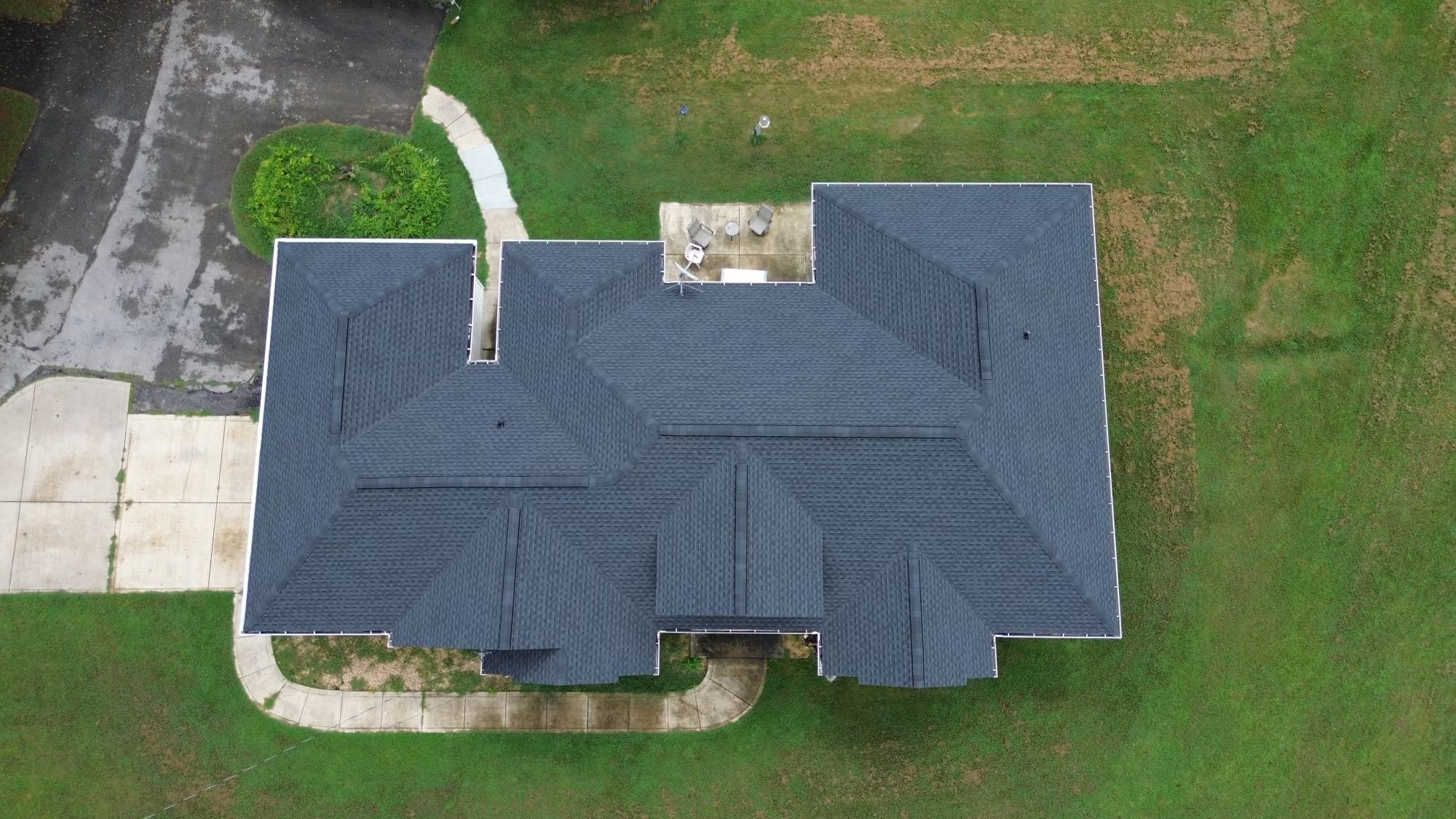
- clear gutters and downspouts of debris, inspect hangers and ensure water runs freely inspect attic for missing insulation and air leaks around penetrations such as chimneys and can lights check visible shingles and flashing from ground or photo inspection for missing pieces or loose edges make sure soffit vents are not blocked by insulation and that ridge vents are unobstructed schedule a professional inspection if you have a history of leaks, visible rot, or repeated ice damming
Customer stories that shaped my approach One house in Mechanicsville had recurring leaks every year along a side dormer. The homeowner had repeatedly replaced shingles and even put a tar patch on the dormer flashing. On inspection the issue was clear: the attic had a large gap where an old bathroom exhaust fan vented into the rafter bay. Warm moist air hit the underside of the dormer roof, melted snow above, and water found the weakest seam by the dormer flashing. We sealed the vent, installed proper venting, and replaced the flashing. The homeowner stopped calling. That experience reinforced for me that the most expensive fix is the repeated, superficial repair. Fix the source.
Another client wanted to avoid expensive insulation work and insisted on installing heated cables on every eave. I explained the trade-offs: cables would reduce risk of ice damming, but they do not stop heat loss and they increase electric use. We compromised. We sealed attic air leaks and added targeted insulation to the dormer and the ridgeline, then used cables only across a small problematic valley. The combined approach delivered a lower long-term cost and better performance.

When replacement is the right call Sometimes winter prep reveals structural problems or shingle wear beyond practical repair. Indicators that replacement is the wise decision include extensive Roofing Contractor Mechanicsville MD One Vision Roofing rot at eaves or sheathing, multiple layers of old roofing with recurring leaks, and widespread granule loss indicating the shingles are at the end of life. In those cases I present options: full replacement with modern underlayment and ventilation upgrades, or a phased plan where we replace the worst areas first and schedule the remainder later. I always discuss cost-benefit: a well-executed replacement reduces maintenance and energy costs and prevents emergency repairs in winter.
Why local experience matters Roofing is regional. A roofer from another state might use techniques that work in a dry climate but fail in Maryland’s freeze-thaw conditions. A roofer in Mechanicsville MD knows where to expect wind-driven rain, which contractor-grade materials fail first, and how to coordinate with local building inspectors for permits when replacing flashing or modifying ventilation. I mention One Vision Roofing because local firms with established presence can usually guarantee response times and warranty follow-through. Choosing a roofer familiar with the neighborhood reduces surprises when winter weather tests a roof.
Final note on homeowner involvement You do not need to understand every flashing detail to protect your home. You do need to be proactive. Walk your property in late fall with these priorities in mind: ensure gutters are clear, attic hatch closes tightly, and any suspicious leak or roof damage is photographed and scheduled for inspection. A little attention and early investment can save thousands in emergency repairs and interior damage.
Winter is inevitable, roof failures are not. With a clear priority list, attention to ventilation and insulation, careful flashing and gutter work, and the local knowledge of a seasoned roofer in Mechanicsville MD, houses hold up through snow, ice, and storms. If you want a targeted assessment, look for a professional who documents conditions, explains trade-offs, and outlines a plan that fits both your budget and the roof’s long-term health. One Vision Roofing and similar local companies can provide that kind of hands-on, accountable approach that turns winter from a threat into something manageable.
One Vision Roofing
27970 Baptist Church Rd, Mechanicsville, MD 20659, United States
+1 (301) 909-3383
[email protected]
Website: www.onevisionroofing.com